
~ The Redefined Life ~ March 23, 2026
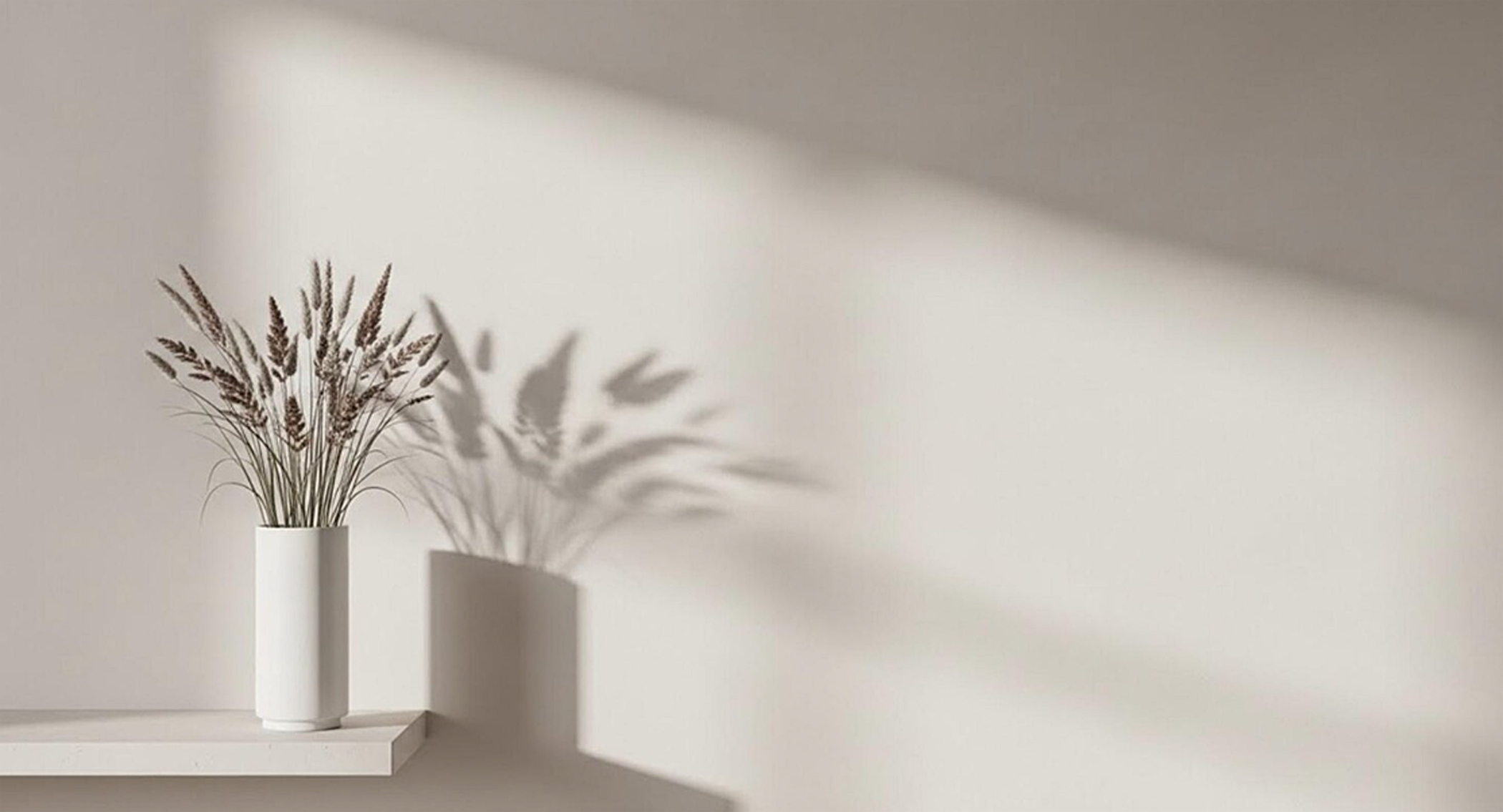
Minimalism has become one of the most recognizable lifestyle trends of the past decade. From spotless Instagram apartments and tiny houses to capsule wardrobes and decluttered desks, the idea promises a simple equation: own less, live more.
But like many popular movements, minimalism has accumulated its share of myths. While the philosophy can be deeply beneficial, the version that floats through the media often oversimplifies—or outright distorts—what minimalism actually is.
Let’s unpack some of the most common myths surrounding minimalism.
Myth 1: Minimalism Means Owning Almost Nothing
One of the biggest misconceptions is that minimalism requires radical deprivation—owning only 30 items, living with one chair, and essentially discarding anything that isn’t necessary for survival.
In reality, minimalism is not a competition to see who owns the least. The truth is that extreme minimalism can actually attract more emptiness in your life (much like it’s opposite, extreme clutter attracts more suffocating clutter in your life), and this prevents purposeful abundance from entering your life.
Minimalism is not about deprivation; it’s about intentional ownership— having enough. No more. No less. It asks a simple question: Do the things in your life add value and support the life you’re building? If the answer is yes, they belong. If not, they create noise that scrambles your focus, dreams, creativity, and time.
Practicing intentional ownership helps you align with the life you envision yourself living. It creates a living space that mirrors your inner desires and promotes endless possibilities. It channels your energy, keeping your mind open for inspiration, and your emotions balanced for clarity.
For instance, a photographer might own multiple cameras, a musician might own several instruments, and a cook might have a kitchen full of tools, but none of this contradicts minimalism. If those things genuinely support their life and the items are organized and arranged beautifully, then they belong in their home.
Minimalism isn’t about less for the sake of less—it’s about less of what doesn’t matter.
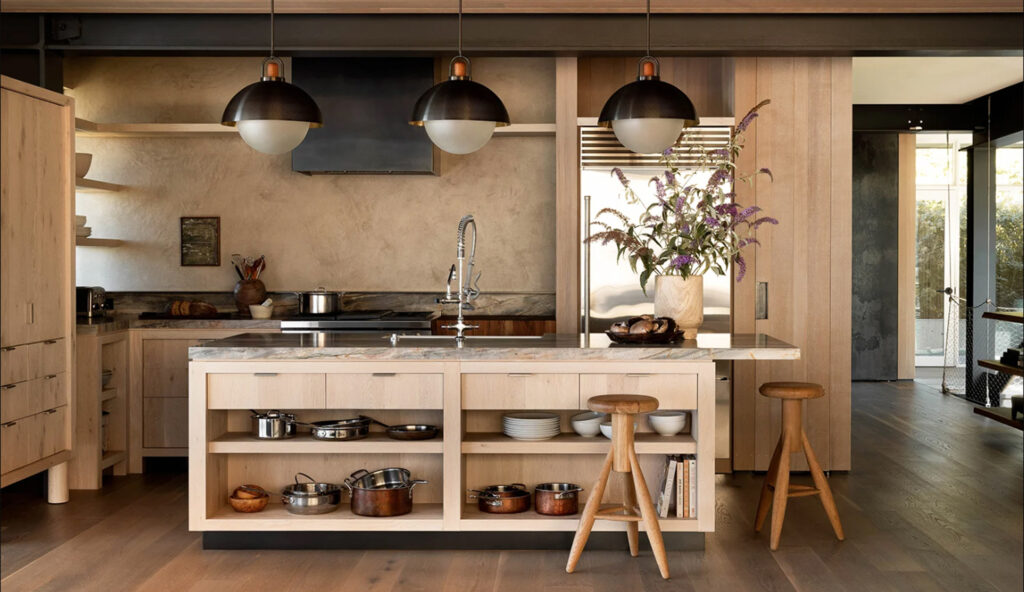
Open shelving can be a magnet for non-essential baggage. All shelves, especially open shelves, need to be kept orderly and spacious to not overwhelm our senses. This example demonstrates how orderly open shelves work beautifully, even in a busy space with multiple functions; they actually contribute to the warm and inviting ambiance while preserving a minimalist aesthetic. (credit: canadianloghomes.com / Lucas Design)
Myth 2: Minimalism Is Only About Stuff
Another myth is that minimalism is purely about decluttering closets and organizing drawers.
While eliminating physical possessions makes a great starting point, minimalism extends far beyond material things. To take it to the next level, apply minimalist thinking to:
- Schedules (reducing unnecessary commitments and opening slots of free time)
- Digital life (fewer apps, notifications, less social media / online distractions, and less TV time)
- Work (prioritizing meaningful tasks over busywork and multitasking)
- Relationships (eliminating distractions frees more time for people who truly matter, e.g., a date night with your spouse, a fun family night, even working on chores together creates a bond and memories)
In this sense, minimalism is less about cleaning your home and more about editing your life.
Myth 3: Minimalism Requires an Aesthetic
Scroll through social media, and you might assume minimalism looks a very specific way: white walls, neutral tones, clean lines, and rooms that are mostly empty.
But that aesthetic is simply one style, not the philosophy itself.
If that stark style supports your lifestyle, then embrace it. (To successfully create that style, there are some tricks to be mindful of; click here to contact me for some “insider” tips.) But there are other styles that fall in the minimalism category. A minimalist home could also be colorful, filled with books, art, and plants. The key difference is intentionality—not visual emptiness but a space that is strategically balanced with visual rhythms and warmth, creating space for you to breathe.
Minimalism doesn’t demand a particular look. It only asks that your environment reflects what you truly value, not what the latest trends tell you to value.
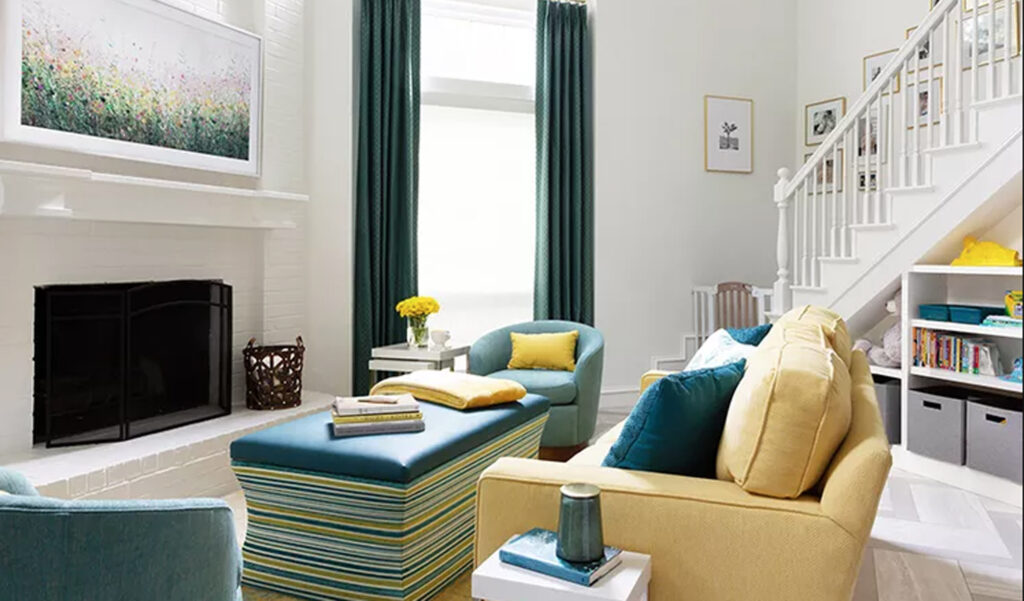
Balancing color and creating rhythms with items of value brings life to this space without being distractive. This colorful style is still considered minimalism. (credit: thespruce.com / Karen Davis)
Myth 4: Minimalism Is “A Place For Everything…”
Have you heard the old saying, “A place for everything, and everything in its place”? Even though that saying is centuries old, it is still a vital key for today’s minimalistic lifestyle. Every item in your home needs a home. When the item is not in use, it needs to be in its home. If there is no home for an item, then strongly evaluate whether the item is necessary. If it is not, eliminate it. If it is, create a home for it, which may require eliminating something else.
Keep in mind that minimalism is not always orderly. When actively working on a project (preparing a meal, potting plants, bathing the dog or the kids, even cleaning the house), things can get a bit chaotic. This is part of life and gives your home living energy. But, once the task-at-hand is done, all the chaos needs to return to its home.
If you love to cook, as I do, you are well aware that cooking can quickly turn an orderly kitchen into a crazy mess. Here’s one of many simple habits I’ve gotten into that helps the mess slowly disappear. After I use an ingredient, while it’s still in my hand, I simply return it to its home instead of setting it back down on the countertop; as I move through the recipe, the countertop effortlessly restores its order. I do the same thing with the mixing bowls and utensils. This is just one of the micro-habits that I do without even thinking about it. It works for me because if the mess gets out of hand, it takes some serious “self-talk” for me to tackle it. Even so, I WILL tackle it, but the temptation to procrastinate is strong. It’s so much easier to keep the mess manageable and not let it overwhelm me and the space. There are endless ways to keep things manageable, making minimalism effortless, get creative as you observe your routines; micro-habits make restoring order almost transparent!
Minimalism should be effortless, which, in turn, discourages procrastination. Minimalism is about clarity and simplicity.
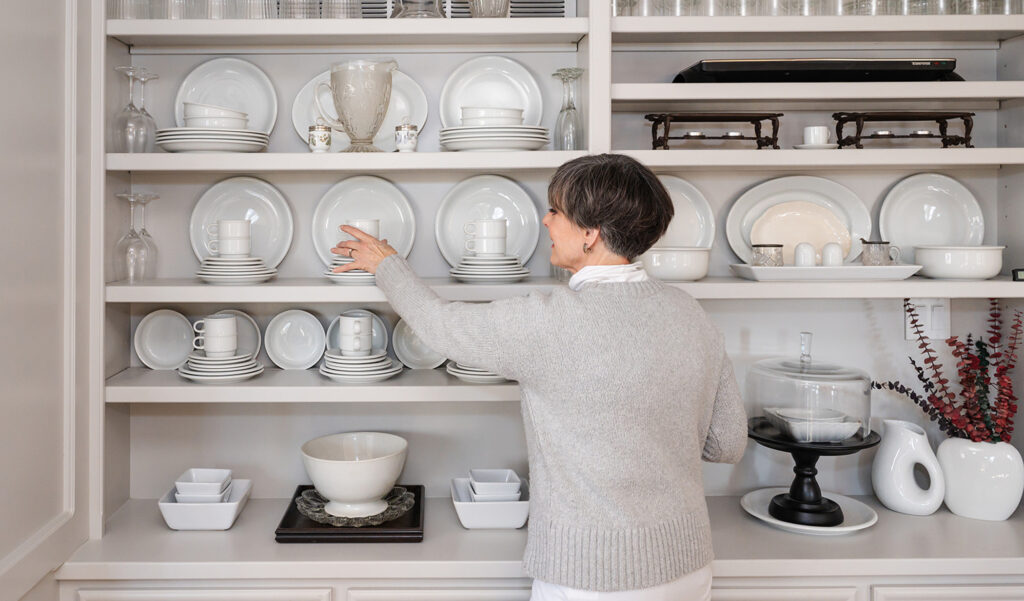
“A place for everything and everything in its place” establishes order and simplicity. Order calms the mind, encouraging mental clarity, and that, in turn, relaxes our emotions. Order saves time, making tasks effortless, Even though the above example has many items, it respects minimalism.
Myth 5: Minimalism Solves Everything
Another misconception is that decluttering will automatically lead to happiness, productivity, and peace of mind.
While reducing clutter can certainly improve mental clarity and reduce stress, minimalism is not a cure-all. Life’s deeper challenges—relationships, purpose, health, and fulfillment—cannot be solved simply by owning fewer things.
Minimalism works best when it’s used as a tool, not a destination. It creates space, but it doesn’t define what fills that space.
That part is up to you.
Opening space and bringing harmony and balance to it opens the flow of energy within you and around you; it feeds your mind, body, emotions, and spirit. It creates room to breathe, dream, strategize, spend time with loved ones, invite friends over, relax, reset yourself—basically, it frees you from the weight of energetic and visual baggage, inside and out. What you do with this freedom is what changes your viewpoint of yourself and your world. Using minimalism as a tool allows you to recode yourself as it subliminally reminds and inspires you to step into the lifestyle you desire.
The Reality of Minimalism
At its core, minimalism isn’t about empty shelves or strict rules. It’s about intentional living.
It asks us to question habits we often take for granted:
- Why do we buy what we buy?
- Why do we keep things we don’t use?
- Why do our lives become so crowded?
Minimalism doesn’t demand that we live with less. Instead, it encourages us to live with enough—and to make room for what truly matters. When you truly lean into the contentment of having “enough”, it is easier to embrace the spaciousness of your home and not regress by filling it back up with useless stuff that mainstream America enticed you to buy. Feeling contented sows gratitude, and when that is mixed into minimalism, your outlook shifts, and that transforms.
Leave A Comment