
~ The Redefined Life ~ January 28, 2026

What makes holistic interiors different?
The answer is a little difficult to put into words, since holistic spaces generate a feeling. Much of conventional design responds to problems: noise is reduced and balanced, clutter is contained, efficiency is improved, and maintenance issues are resolved, among other benefits. While these are important and are integrated into holistic solutions, holistic design goes deeper. It recognizes that human beings are not machines to be optimized, but are living life-forces that have a nervous system, breath, memories, senses, and stories, and respond to and thrive with light, rhythm, beauty, sound, color, texture, aromas, security, and meaning.
What makes my holistic approach different?
Life is dynamic and is continually teaching and opening our minds. Over the years, my holistic approach has been broadened because I realized that human beings not only respond to visible elements, they also respond to invisible elements such as air quality, electromagnetic frequencies, electricity, 5G, underground aquifers, and geopathic stresses, to name a few. There are several ways to resolve these issues. I have had amazing results by weaving holistic design and salutogenic design with quantum dowsing (click here to contact me for details). I have found that when these methods come together, something powerful happens. Spaces stop merely functioning—they start healing.
If you are unfamiliar with salutogenic design, let me briefly explain. It comes from a simple but radical idea: instead of asking the question “What causes illness/discordance?” the question is asked “What creates health/wellbeing?” This means environments are created that invite vitality.
For instance:
- It might lower stress without us noticing.
- It might help us breathe more deeply and relax.
- It might encourage connection, mental clarity, creativity, or calm.
These effects are subtle but powerful.
The core of salutogenic thinking is called the “sense of coherence”. For designers, that simply means that people feel healthier if life feels:
- Comprehensible – The living space is easy to navigate. There are clear layouts, intuitive flow, and visual order. When a space makes sense, the nervous system can relax.
- Manageable – The living space offers comfort and choice. Good acoustics, ergonomic furniture, access to nature, and designated zones help people feel at ease rather than strained.
- Meaningful – The living space reflects the values, stories, and identity of the people living in it. Natural materials, handmade elements, cultural references, or personal details allow people to feel a sense of belonging.
When these three qualities unite with holistic design, a space embraces you and quietly says you are safe here.
All of these mind-opening discoveries (holistic design, salutogenic design, and dowsing) took my creativity and solutions to a new level. And it reinforced that nothing is separate. Everything affects everything. Everything matters.
Keeping that in mind, I don’t begin a project by asking what color you like or what style is trending. I begin by asking a deeper question: “How do you want to feel in your space?”
Because holistic interiors are not only about how a room looks—it’s about making a room beautiful and functional while supporting your life, your energy, your health, and your sense of belonging.
A Home Is Not Just a Container
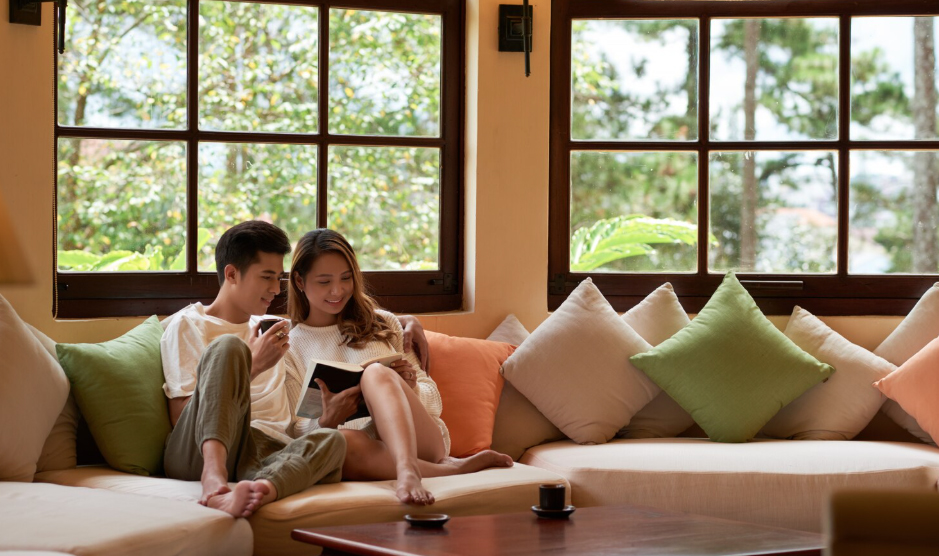
Most of us have been taught to think of interiors as decoration: furniture, finishes, and visual appeal. But our homes are not neutral inanimate containers. They quietly influence us every single day.
The light and sound you wake up to affect your nervous system.
The layout of your space shapes how you move and interact.
The materials around you can either nourish your body—or subtly drain it.
Holistic design recognizes that a space is a living ecosystem, deeply connected to the people who inhabit it. It influences your perceptions, attitude, esteem, mental health, emotional health, and physical health.
Designing for the Whole Human
Holistic design looks at the whole person—body, mind, emotions, and spirit—and asks how a space can support and balance all these levels.
This might mean:
- Creating calm visual rhythms that reduce stress
- Choosing natural, non-toxic materials that support physical health
- Designing layouts that encourage flow rather than confusion
- Honoring personal rituals, cultural roots, and emotional needs
- Using color, texture, and light intentionally to support mood, energy, and specific tasks
When a space is designed holistically, it doesn’t demand your attention. It supports you quietly, consistently, and gently.
Energy Matters (Even If You Can’t See It)
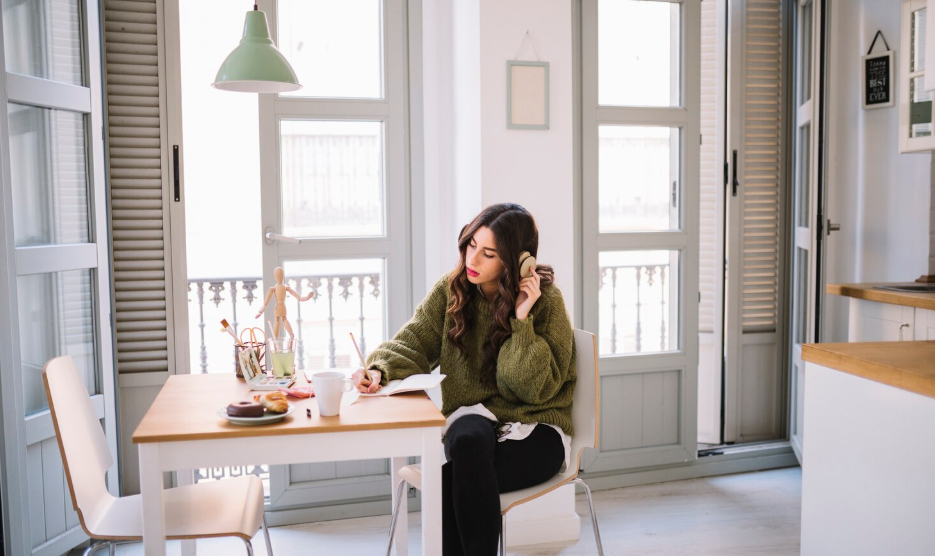
Every space carries energy. Some rooms feel grounding and restorative. Others feel active and productive. Some feel chaotic or draining, even if they look beautiful.
Holistic design pays attention to the invisible layers. Through thoughtful spatial planning, intentional placement, and respect for natural flow, environments are created that feel aligned rather than agitating.
Dowsing creates the foundation for energetic harmony in a space. It calms the invisible discordant energy caused by natural stresses and modern technologies. Once the dowsing has harmonized the scrambled energetic field, all other holistic elements can flow together and create a home that uplifts and nurtures you.
Holistic design is not about rigid rules—it’s about listening. Listening to the space, to the client, to what feels right on a deeper level.
Beauty with Purpose
Holistic design is not anti-beauty. In fact, beauty is essential—but it must be meaningful.
Instead of chasing trends, holistic design asks:
- How will these design choices stand the test of time?
- Do they feel authentic to the people living there?
- Will they nourish the body, mind, and spirit?
When beauty is rooted in intention, it becomes timeless. The space begins to reflect who you truly are, not who you’re trying to impress.
Spaces That Support Daily Life
One of the most powerful aspects of holistic interiors is how practical they are.
A well-designed, holistic home:
- Makes daily (even mundane) routines easier and more pleasant
- Reduces decision fatigue and visual noise
- Supports rest as well as productivity, focus, connection, and creativity
- Adapts to the ever-changing flow of life instead of resisting it
It’s not about perfection. It’s about creating a space that works with you, not against you.
Healing Happens at Home
We spend so much time trying to fix ourselves—through wellness practices, self-help, and productivity tools—while overlooking the environment we return to every day.
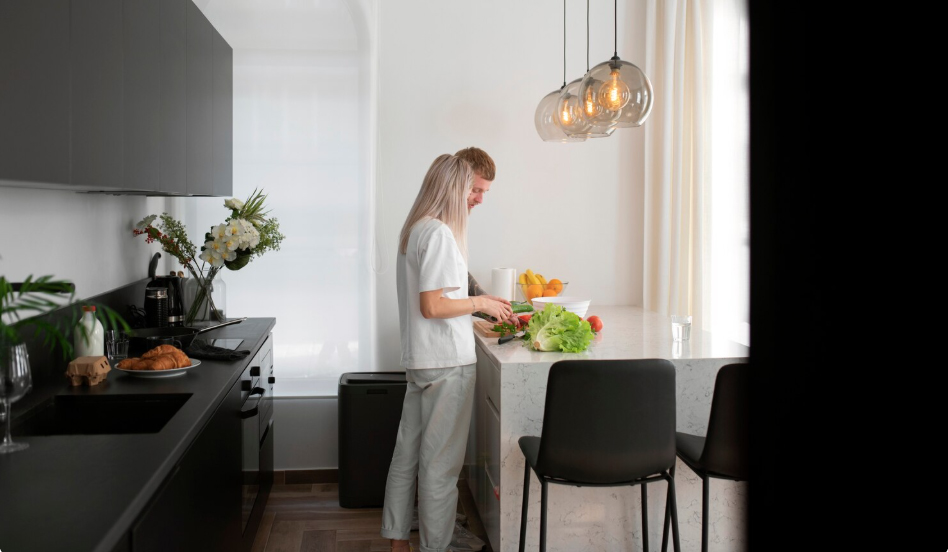
Your home can be a place of healing, a place where your nervous system can soften, and a place where you can exhale fully.
Holistic interiors recognize the home as a partner in well-being, not just a backdrop to life.
Why This Matters Now
In a fast, overstimulated world, our living spaces matter more than ever. We need environments that ground us, remind us who we are, and give us space to simply be.
Holistic design is not a luxury. It’s a form of care.
It’s about designing spaces that:
- Respect our human needs
- Incorporate tried and true strategies
- Honor emotional wellbeing, intuition, and meaning
- Reflect personal truth
- Support sustainable living
- Encourage presence and connection
One Final Thought…
When you walk into a holistically designed space, you may not be able to name why it feels different—but you feel it.
You feel calmer yet energized, more yourself, more at home, more complete, more whole.
That is the true significance of holistic design.
It designs not just rooms—but experiences, rhythms, and lives.
Let’s talk today (click here) about how we can breathe living energy into your home; creating beauty and function while supporting your life, your energy, your health, and your sense of belonging.
Leave A Comment